
8 Leading Website Design Trends




Leading website design trends are important for a seamless website experience that builds trust and credibility with potential clients or partners. Did you know that 75% of people browsing your website judge your business's credibility based purely on its design? Technology trends move quickly and a website design that's over three years old can quickly become obsolete.
Every three years, I give my website a makeover to stay on top of the latest tech and design trends to showcase new skills. Keeping your website current is important to ensure a positive impact on your business.
To help make it easier for you, I update this page every year with 8 leading web design trends to be aware of:
Web design trends 2026
In 2026, web design is pushing back against sterile, template-driven layouts by introducing high-impact emotion, motion, and deliberate human touches that make brands feel alive and authentic.
1. Human Imperfection
To counteract the wave of lookalike AI-generated templates, brands are integrating custom hand-drawn sketches, raw scribbles, and irregular textures into their sites. This deliberate lack of polish isn’t a mistake — it’s a signal of authenticity. Users connect with brands that feel human, not machine-made.
2. Dopamine & Saturated Colour Palettes
Web colour schemes have gotten louder in 2026. High-energy, hyper-saturated neons — electric blues, vivid oranges, bold reds — are being deployed strategically to trigger emotional reactions and a sense of joy. It’s a direct antidote to years of safe, corporate colour choices.
3. Kinetic & Liquid Typography
Fonts are now behaving like moving artwork. Elastic, flowing letters stretch and react to mouse movements, creating visual interest even when the rest of the layout stays still. Kinetic typography in 2026 goes beyond animation — it becomes a living, reactive design element.
4. Immersive Spatial 3D
Standard flat imagery is being replaced with interactive, real-time 3D objects. Built with tools like Spline, these elements allow users to rotate, shift, or manipulate objects via cursor or scroll — turning passive browsing into a tactile, engaging experience.
5. Agentic AI Personalisation
Rather than static landing pages, 2026 sites are functioning as living software ecosystems. The interface dynamically adjusts its layout, contrast, and even copy based on a user’s habits, language preferences, and past interactions. Every visitor gets a different, tailored experience.
6. AI-Browser Architecture Optimisation
With more users discovering websites through conversational AI tools like Perplexity and Arc Search, forward-thinking designers are structuring their code specifically to be readable by AI scrapers. This ensures AI agents can accurately summarise what a site offers — making discoverability a design decision.
7. Sustainable & Low-Carbon UX
Eco-friendly web practices have moved from niche to standard. Designers are choosing optimised CSS animations over heavy JavaScript, native device fonts, lightweight assets, and default dark-mode themes — all of which physically reduce the energy required to load and display a page. Good design and good environmental practice are now one and the same.
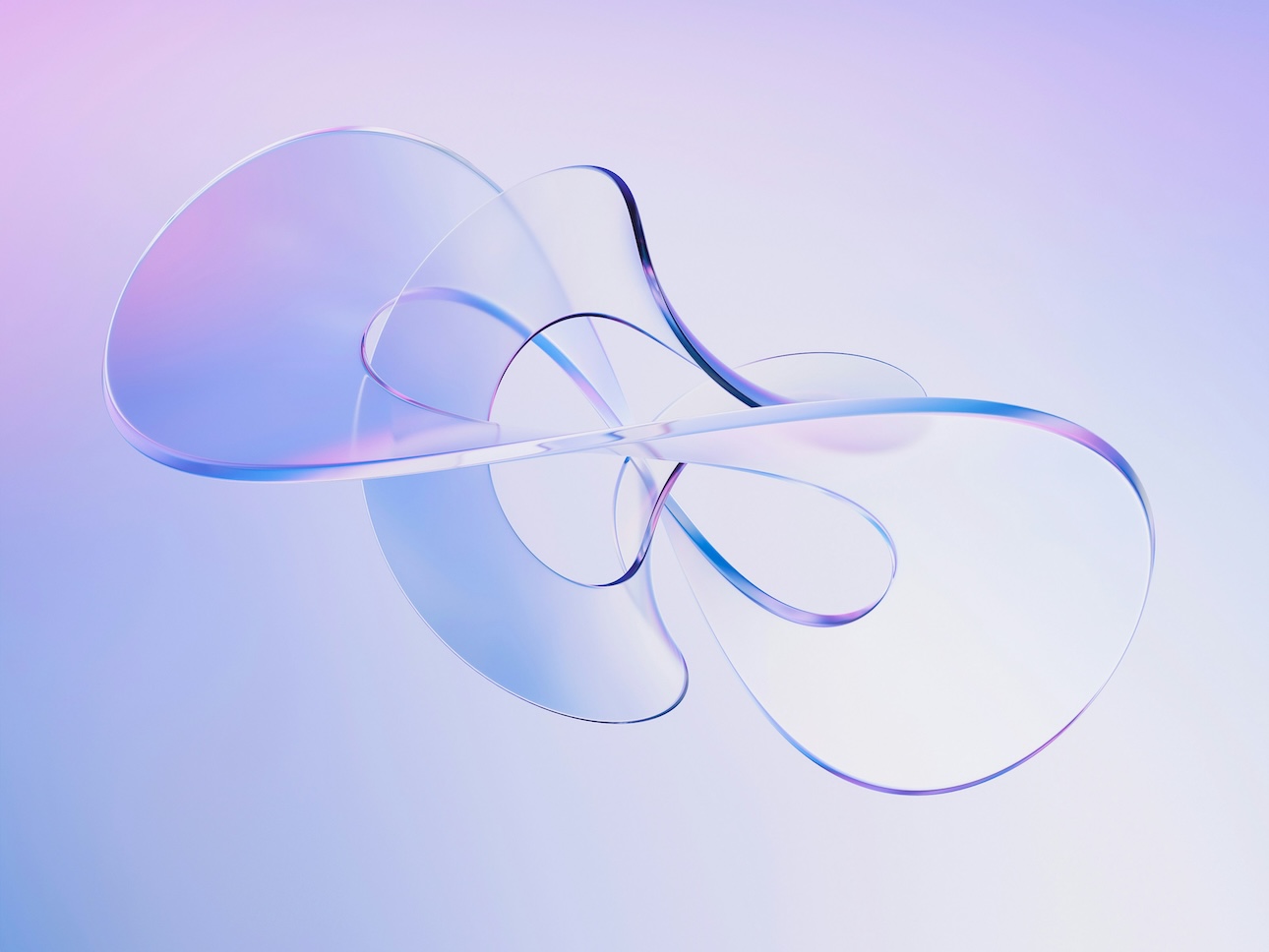
8. Glassmorphism & Frosted Layers
Glassmorphism has made a confident return in 2026, this time with more restraint and intention. Frosted-glass panels, translucent cards, and layered blur effects add depth and sophistication to interfaces without the visual noise of earlier interpretations. When used sparingly, it gives sites a premium, polished quality that users immediately respond to.
Web design trends 2025
The trends of 2025 focused on blending technical discipline with expressive, playful aesthetics — making websites faster, more accessible, and far more fun to look at.
1. Bento Grid Layouts
Building on the momentum that started in 2024, bento grid layouts fully came into their own in 2025. Inspired by the clean, compartmentalised structure of Japanese bento boxes, these modular grids made information highly scannable and gave designers a flexible framework that felt both structured and dynamic.
2. Candy Colour Pop
The muted, corporate blues of previous years took a backseat as brands embraced playful, nostalgic palettes. Soft purples, bubblegum pinks, and vibrant yellows became the go-to choices for businesses wanting to feel approachable and energetic rather than formal and distant.
3. Scroll-Driven Narrative
The parallax effects of earlier years matured into something far more sophisticated in 2025 — full “scrollytelling”. Moving down a page triggered fluid transitions and layered animations, transforming the site itself into an interactive digital story. This trend rewarded curious users who kept scrolling.
4. Dark Mode as Default
Dark mode shifted from being a user toggle to a deliberate design-first choice in 2025. Rather than treating it as an afterthought, designers built sites dark from the ground up — using rich dark backgrounds to make colours pop, give imagery more drama, and create an atmosphere that felt premium and considered.
5. Maximalist Illustration
Custom, richly detailed illustration made a bold statement in 2025, pushing back against the clean minimalism of previous years. Brands moved away from generic stock photography in favour of unique, hand-crafted artwork that communicated personality instantly. These illustrations weren’t decorative extras — they were central to the visual identity of the page.
6. Micro-Animations & Purposeful Motion
Small, considered animations became a hallmark of quality design in 2025. Hover states, loading sequences, and transition effects were no longer afterthoughts — they were designed deliberately to guide attention, reward interaction, and communicate that a site had been built with care. The key word was purposeful: motion that earned its place.
7. Bold, Expressive Typography
Typography stepped out of its supporting role and into the spotlight in 2025. Oversized, unexpected fonts with strong personalities became a primary design element rather than just a vehicle for content. Brands used type to communicate tone and character instantly, before a single word was read.
8. Inclusive & Accessible Design by Default
Accessibility stopped being a compliance checkbox and became a core design value in 2025. Designers were building for contrast ratios, keyboard navigation, screen readers, and reduced-motion preferences from the very start of a project — not as a retrofit. Good accessible design, it turned out, was simply good design.
Web design trends 2024
1. Prioritise User Experience (UX)
Combining a modern and pleasing design with a fantastic user experience can be a headache for some web designers. Complex site navigations are becoming outdated.
Prioritising UX ensures users are directed to what they need from the home page, without trying to decipher a designer's intent with an element. A clear structure helps users access information right away with a straightforward message.
2. Embrace minimalism
Keeping things simple is another trend in 2024, and ultra-minimalist design is leading the way. Just look at my website as an example.
Minimalism in web design means keeping things elegant and straightforward. It should be your go-to style for the next year. Besides looking good, it speeds up the page loading and gives users a fast experience.
3. Bento Grid Layouts
Bento grid layouts aren't a new concept; they've been around for ages. But recently, they've gained massive popularity, partly thanks to Apple using them. The bento grid feels modern and fun. It's a straightforward form of a grid, making it easy for your customer to see information clearly. This trend is just taking off and will keep growing in 2024.
4. Retro Futurism
In 2024, it's not just about futuristic or retro vibes; retro-futurism is a popular web design trend. It's a cool style that makes your site stand out. By blending nostalgic retro style with modern elements from futurism, it creates a unique combination that grabs attention.
5. The parallax effect
Although not new, the parallax effect has definitely made a comeback in 2024. It tricks the eye with depth and perspective by moving visual elements at different speeds. Using the parallax effect for animations can serve various purposes, engaging visitors and keeping them exploring your site for longer.
6. Interactive storytelling
In 2024 another focus is the art of interactive storytelling in your website design. Using animations, video content and 3D elements can enhance interactivity and make your site visually tell a story.
7. AI Imagery
AI imagery has evolved fast and continues to be a big part of websites in 2024. However, as great imagery becomes normal, standing out will require trends like creative typography to position your brand uniquely.
8. Kinetic Typography
Kinetic typography involves animating text to capture attention and convey messages dynamically. In 2024, expect it to become more interactive, responding to user actions for a cohesive and immersive experience. It's not just a trend; it promotes accessibility and inclusivity, bringing simplicity and readability to your website.
As we move forward into 2024, the world of website design is buzzing with exciting new trends. From easy-to-use Bento grid layouts to the cool vibes of retro futurism, there's something for everyone. The parallax effect adds a touch of magic, making your website more engaging, and interactive storytelling turns it into a captivating story.
AI imagery is everywhere, so to stand out, get ready for some creative kinetic typography – it's not just a trend; it's making websites more accessible and inclusive.
Using one or more of these trends can give your website a fresh and captivating look that users will love. So, stay tuned for a year full of creativity, innovation and awesome websites.
Web design trends 2023
1. Improved Web Accessibility
In 2023, there was a growing demand for websites to be accessible to everyone. For instance, websites featuring videos were required to provide captions to assist users with visual impairments. Accessible websites ensure that all users could easily understand information and navigate through the site.
2. Nostalgia
Nostalgia from the '80s and '90s was a major influence on design trends in 2023. Fond memories from these decades inspired everything from product design to website graphics. During the pandemic, people turned to nostalgic elements to cope with loneliness, sparking a trend that brands embraced.
3. Artificial Intelligence
Artificial Intelligence (AI) became increasingly prevalent in design and copywriting in 2023. While AI design tools advanced, they couldn't replace human creativity. Instead, AI empowered brands to connect with audiences in new ways. Even if not directly using AI in work, becoming familiar with AI tools was beneficial.
4. Minimal colour palettes
Website designs using limited colours and only essential elements to convey a message, were prevalent in 2023. While this aesthetic had advantages, maintaining balance was crucial. Too much white space could highlight any design inconsistencies.
5. Microinteractions
Micro-interactions, like clicking a link or writing a comment, enhanced user experience and brand awareness in 2023. These subtle interactions require minimal input, boosting engagement and ensuring smooth site navigation.
6. Mobile-friendly Design
Mobile-friendly design remained crucial in 2023. Responsive websites that adapted to various devices ensured a positive user experience. Considering the size of buttons was important, keeping in mind that many users operated smartphones with their thumbs.
7. Augmented Reality
Augmented Reality (AR) blended computer-generated content with the real world, creating immersive experiences in 2023. Brands like Amazon used AR, such as Virtual Try-On for shoes. This feature allows users to "try on" shoes using their smartphones, reducing returns and enhancing the overall shopping experience.
8. Voice user interface
One additional website trend for 2023 was the rise of Voice User Interface (VUI) design to enhance user interaction. This trend focused on creating seamless and intuitive experiences for users who preferred interacting with websites through voice commands, marking a shift towards more inclusive and accessible web design.
Web design trends 2022
1. Memphis Design
In 2022, the Memphis design trend made a statement with its bold and vibrant patterns, reminiscent of the 1980s. Websites embraced this style, incorporating geometric shapes, contrasting colors, and playful elements to create visually striking and unconventional designs.
2. Typographic Hero Image
Last year, websites shifted towards using powerful and expressive typography as the focal point of their hero images. This approach aimed to capture attention and convey a brand's message through creative and impactful text, enhancing the overall visual appeal.
3. Visible Borders
Website layouts in 2022 featured a noticeable comeback of visible borders. Designers employed distinct borders around elements, sections, and images, contributing to a structured and organized appearance. This trend emphasized clarity and separation within the webpage.
4. Engaging Interactives
Interactive elements took center stage in 2022, enhancing user engagement. Websites integrated various interactive features, such as quizzes, sliders, and animations, providing visitors with an immersive and dynamic experience. This trend aimed to keep users actively involved and entertained.
5. Neo-Brutalism
The neo-brutalism trend emerged as a counter-reaction to polished and minimalist designs. In 2022, websites embraced raw, unrefined aesthetics, featuring rugged textures, asymmetrical layouts, and unconventional color schemes. This style aimed to evoke a sense of authenticity and individuality.
6. Moving Type
Last year, websites incorporated moving type as a dynamic element to capture attention. Typography came to life with animated text, creating a sense of movement and energy on the webpage. This trend added a layer of creativity to textual content.
7. Creative Scrolling Experiences
Scroll-triggered animations and effects became prevalent in 2022, transforming the scrolling experience on websites. Designers leveraged creative scrolling techniques to reveal content, transitions, and visual surprises as users navigated through the page, enhancing overall user interaction.
8. Typographic hero section
Typographic hero messages involve using bold and impactful typography as a central element on your website's main banner or section. This trend emphasises the power of words by making them visually striking, creating a strong first impression and conveying key messages effectively to visitors.
Web Design trends 2021
1. Dark mode
The dark mode aesthetic with black provides the perfect backdrop to make features pop on the page. The dark mode increases the readability of our website and delivers information to users with a higher amount of visual appeal.
2. Content segmentation
Online users scan information rather than reading the whole web page. Scannability to help people find the information quickly. Using eye-catching headlines makes it easier for readers to digest the page quickly, and is more effective.
A segment content container helps to guide people to the exact information they’re looking for.
3. Use constraint with multimedia experiences
- Keep it simple - too many visuals can be distracting or overwhelming.
- Use different media formats to maximise accessibility of the content.
- Avoid auto playing videos and have a clear play button to give the option to play the video.
- Bold typography is another great way to improve the visual design of any website and creates a hierarchy that naturally guides the eye to import information.
4. Scrollytelling
A growing trend in 2021 was telling stories through web experiences, to encourage the user flow on a site. The best application of scrollytelling can be found on the old Caria Watt website on the home page where the services scroll as you hover over the text. When you clicked on a service it would click through to the relevant internal page.
To apply scrollytelling you need to:
- Keep the motion within a small area.
- Provide interactions on the user’s terms. Include a pause and stop when a person scrolls on the page.
- Make sure scrollytelling elements help emphasise your brand, instead of distracting the user.
Use this strategy to create an introduction to your services, and help structure your website to lead users to internal pages.
5. Element consistency
Element consistency tells us that all the functions and the visual elements act in similar ways on each web page. This helps users feel familiar and more comfortable with your site.
The easiest way to have consistency is to have a formal set of guidelines to follow. For example, make ‘buttons’ and links consistent design and colour across every webpage. This will help define elements for web users and be easier for them to interact with.
6. Muted colours
Natural muted and subdued colours are the theme for this year, although in 2021 I believed in using the black backdrop with bright colours, to reflect our client’s personality - creative with serious intent. The use of subtle light and dark backgrounds make the designs feel more alive.
7. Gaussian Blur
There is the trend of using Gaussian blur to provide a swirl of soft focus to images and gradients. This effect has been around for a while but it has appeared more in prominent spaces in web designs.
8. Geometric grids
Grids are always good for simple designs and provide flexibility in structuring a layout with a clean and bold look. There is a growing trend to use geometric grids which could become outdated quickly.
By incorporating one or more of these design trends into your website, you can give it a modern look and make it more engaging for site visitors. This not only enhances accessibility by eliminating confusion for users but also attracts more attention to your business. When you need advice for your website, feel free to reach out and we can have a conversation.
Related News